Three out of four Americans over 50 say they want to remain in their current homes as they age. If you are remodeling a home you expect to live in for another 15 or 20 years, that changes the way some kitchen decisions are worth thinking about.

Aging in place kitchen design is less about making a kitchen look accessible and more about making everyday tasks require less effort over time.
The kitchen deserves particular attention. Reaching into upper cabinets, bending into deep base cabinets, lifting cookware, and searching through storage are movements we repeat every day. A well-planned kitchen can reduce much of that physical effort without looking noticeably different.
Start With What Happens Below the Counter
Traditional base cabinets with doors and shelves require you to bend down, reach inside, and often move items in front to reach something stored in the back.
Deep drawers change that considerably.
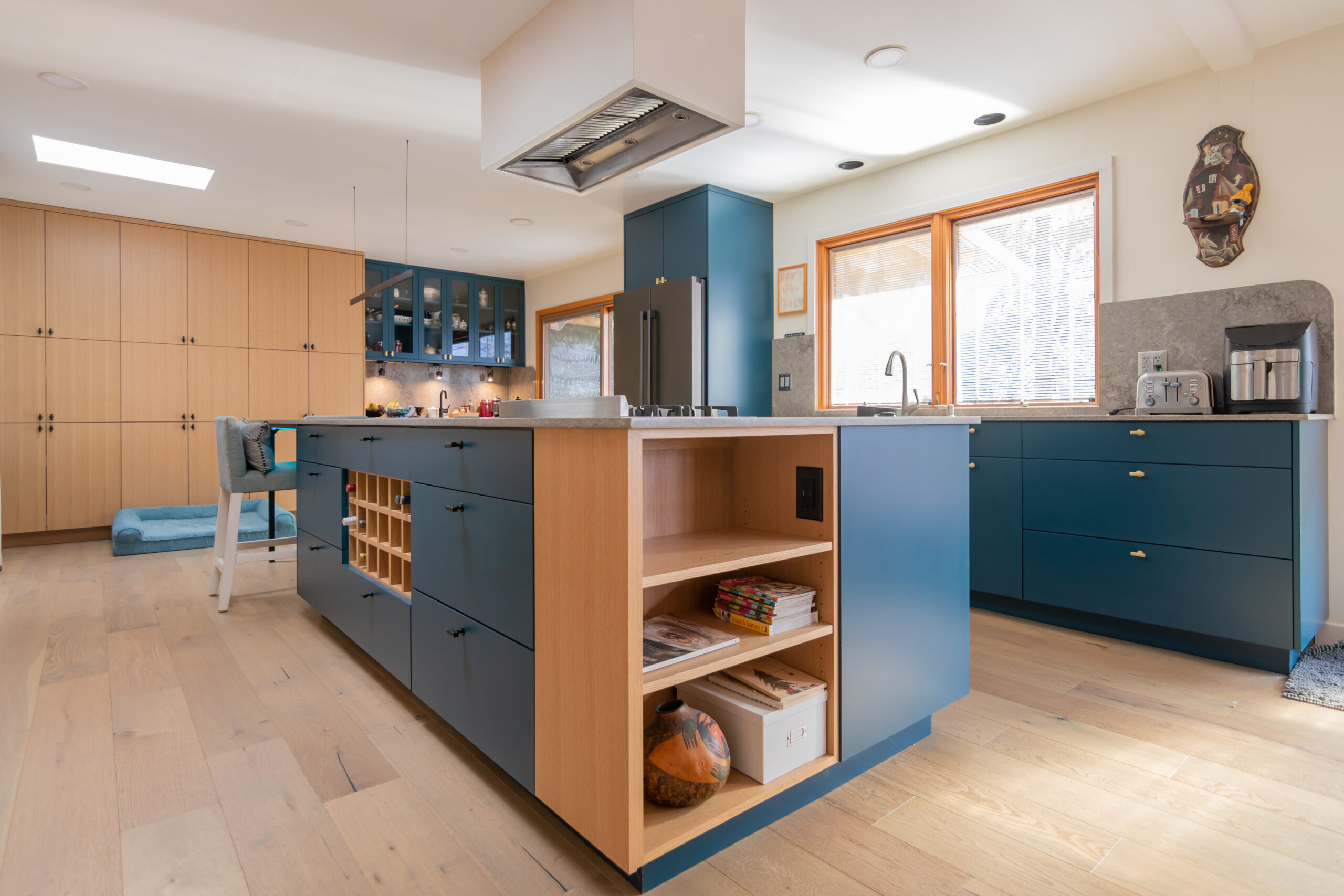
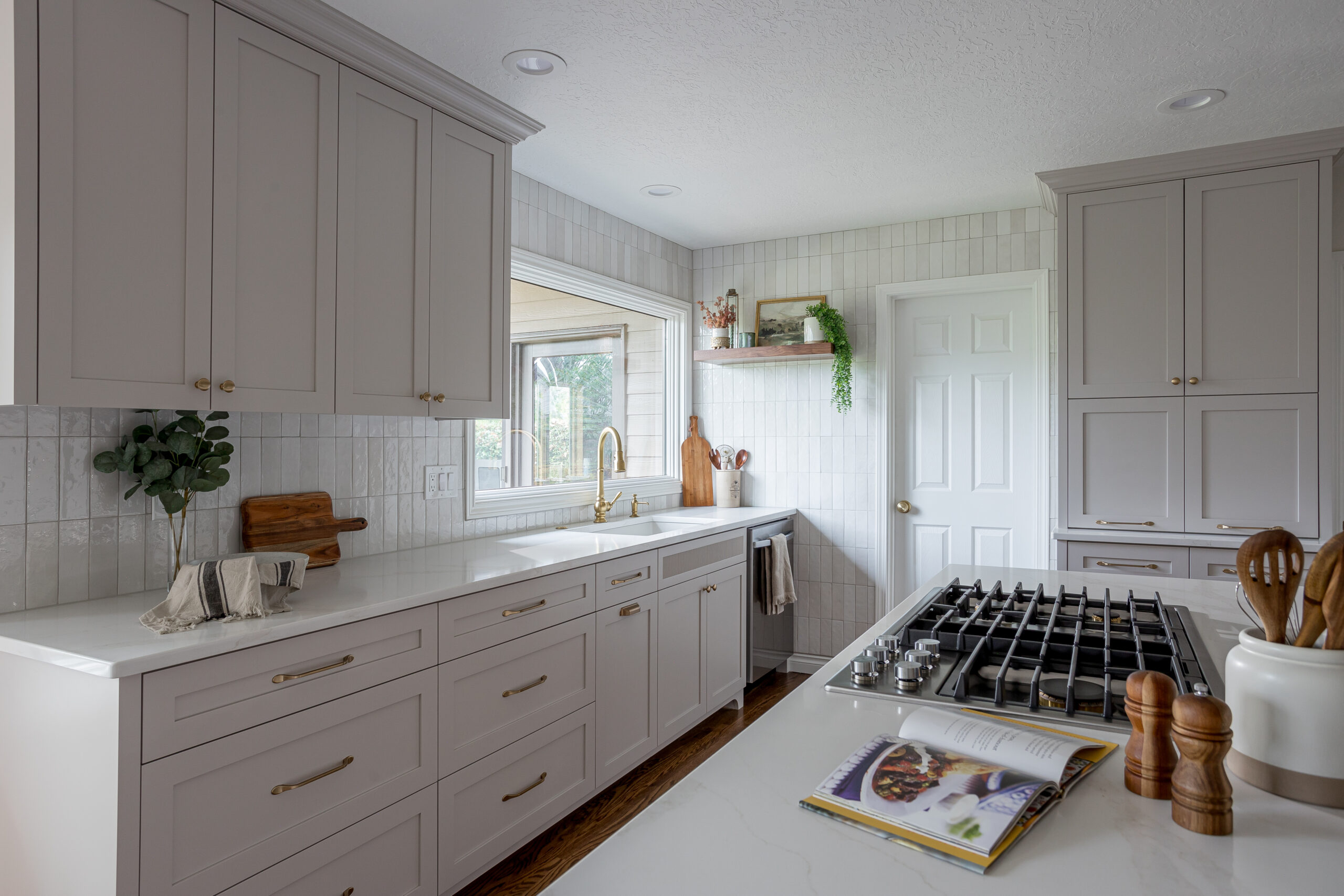
We recently worked with a client who had back issues and wanted to minimize bending and reaching. Instead of conventional lower cabinets with doors and shelves, she chose drawers and pullouts throughout her kitchen.
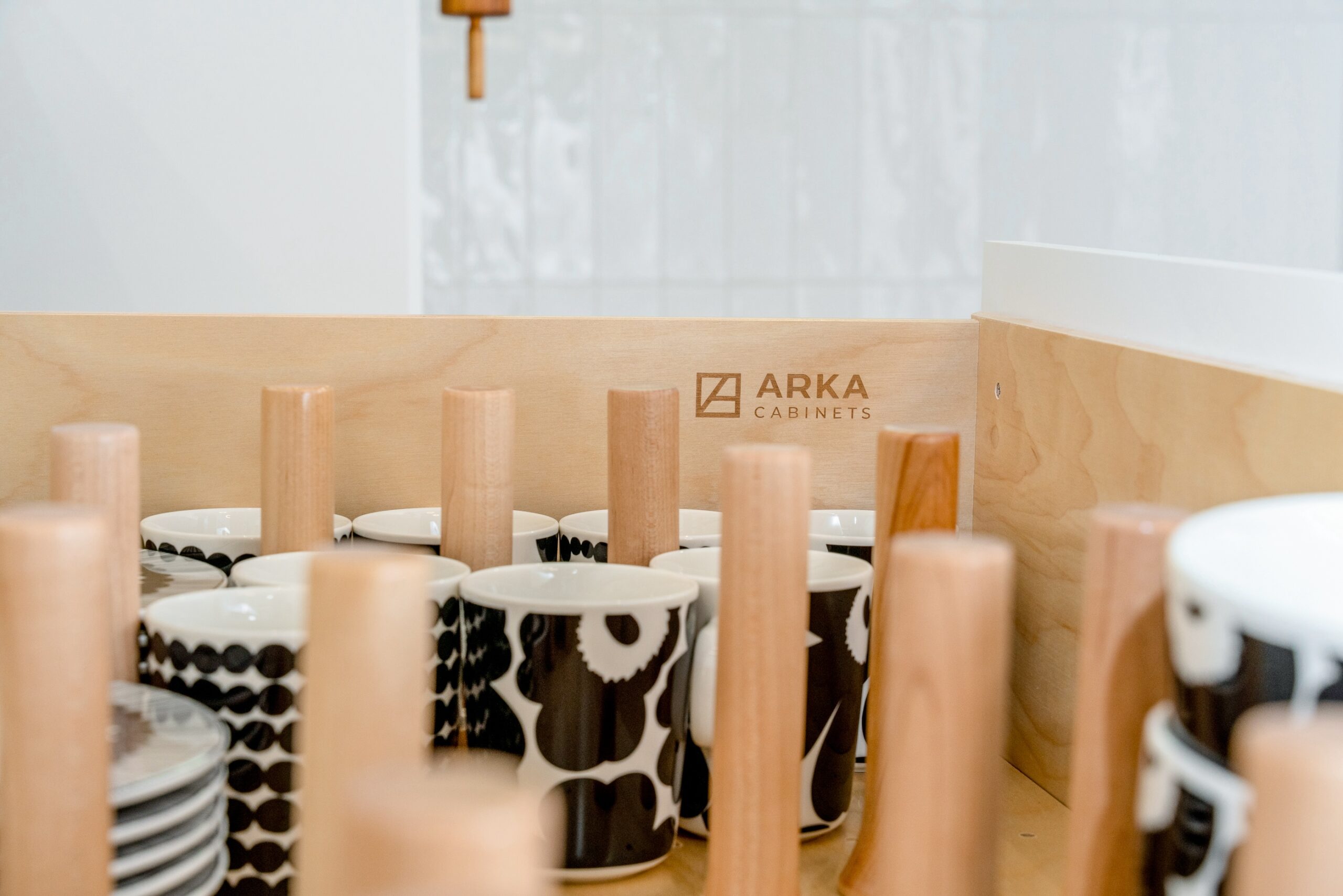
Open a drawer and its contents come to you. Pots, pans, dishes, mixing bowls, and small appliances can be visible and accessible from above.

This isn’t a specialized accessibility feature. It is simply good storage design that becomes increasingly valuable over time.
Make Hard-to-Reach Storage Move
Upper cabinets present the opposite problem. The storage is available, but much of it may require uncomfortable reaching.
This doesn’t necessarily mean eliminating upper cabinets or installing them unusually low. Modern cabinet hardware offers better solutions.
Pull-down systems can bring shelves inside an upper cabinet forward and down toward the user. Tall pantry cabinets can incorporate full-extension pullouts, making groceries accessible from both sides instead of disappearing at the back of a deep shelf. Corner mechanisms can bring stored items out of spaces that would otherwise require considerable bending and reaching.

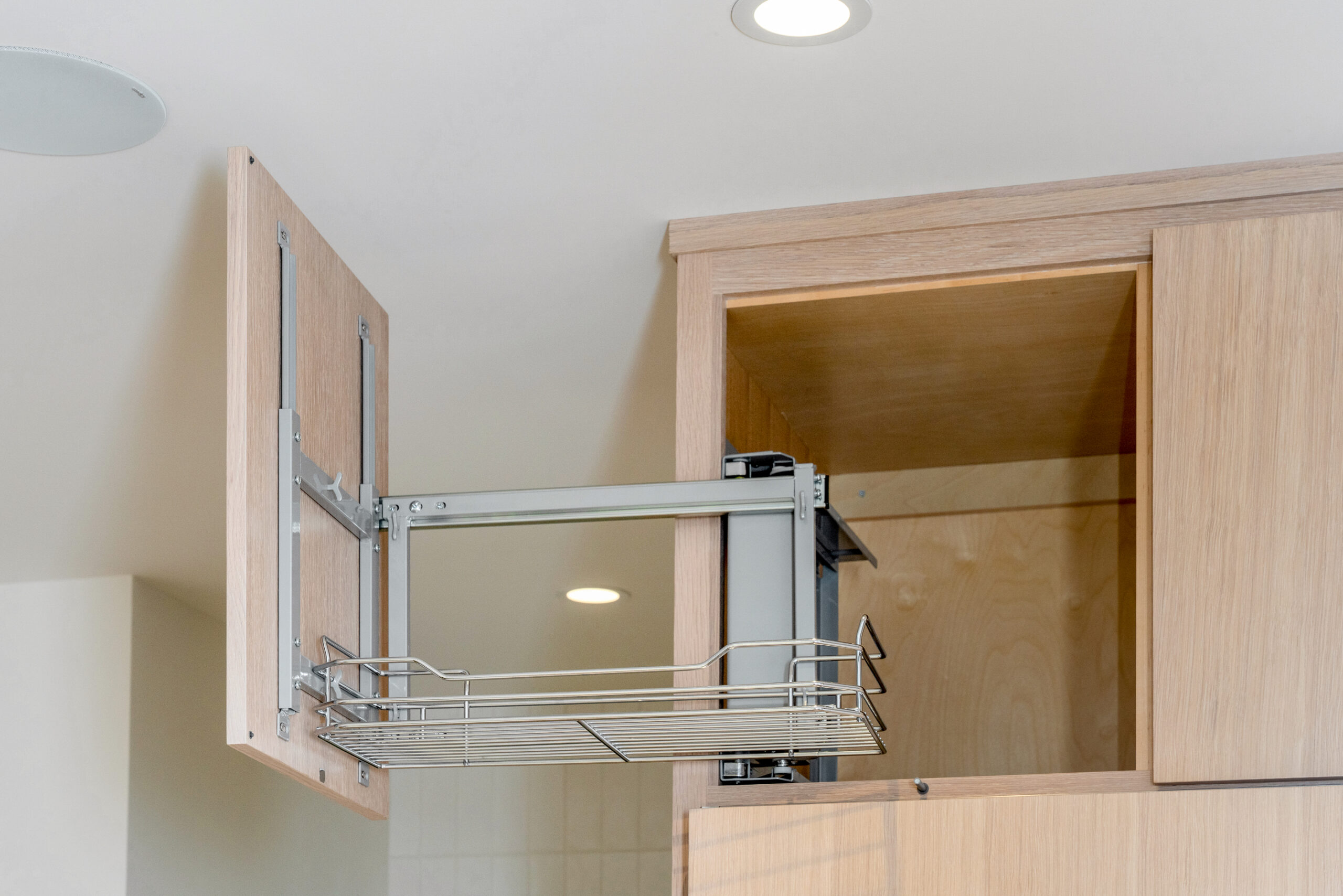
When planning storage for long-term use, ask a simple question: Do I have to reach the contents, or can the cabinet bring them to me?
Pay Attention to the Small Hardware
Small decisions can have a surprisingly large effect on how comfortable a kitchen is to use.
A generous cabinet pull is easier to grasp than a small knob or narrow edge pull if grip strength or dexterity changes. Quality full-extension drawer slides make heavily loaded drawers easier to operate. Soft-close hardware reduces the effort required to close doors and drawers.
These aren’t features that make a kitchen look designed for aging. They simply make it work better.
Lighting Is Part of the Cabinetry Plan
Our need for good task lighting increases with age, and the kitchen contains many areas where general ceiling lighting isn’t enough.
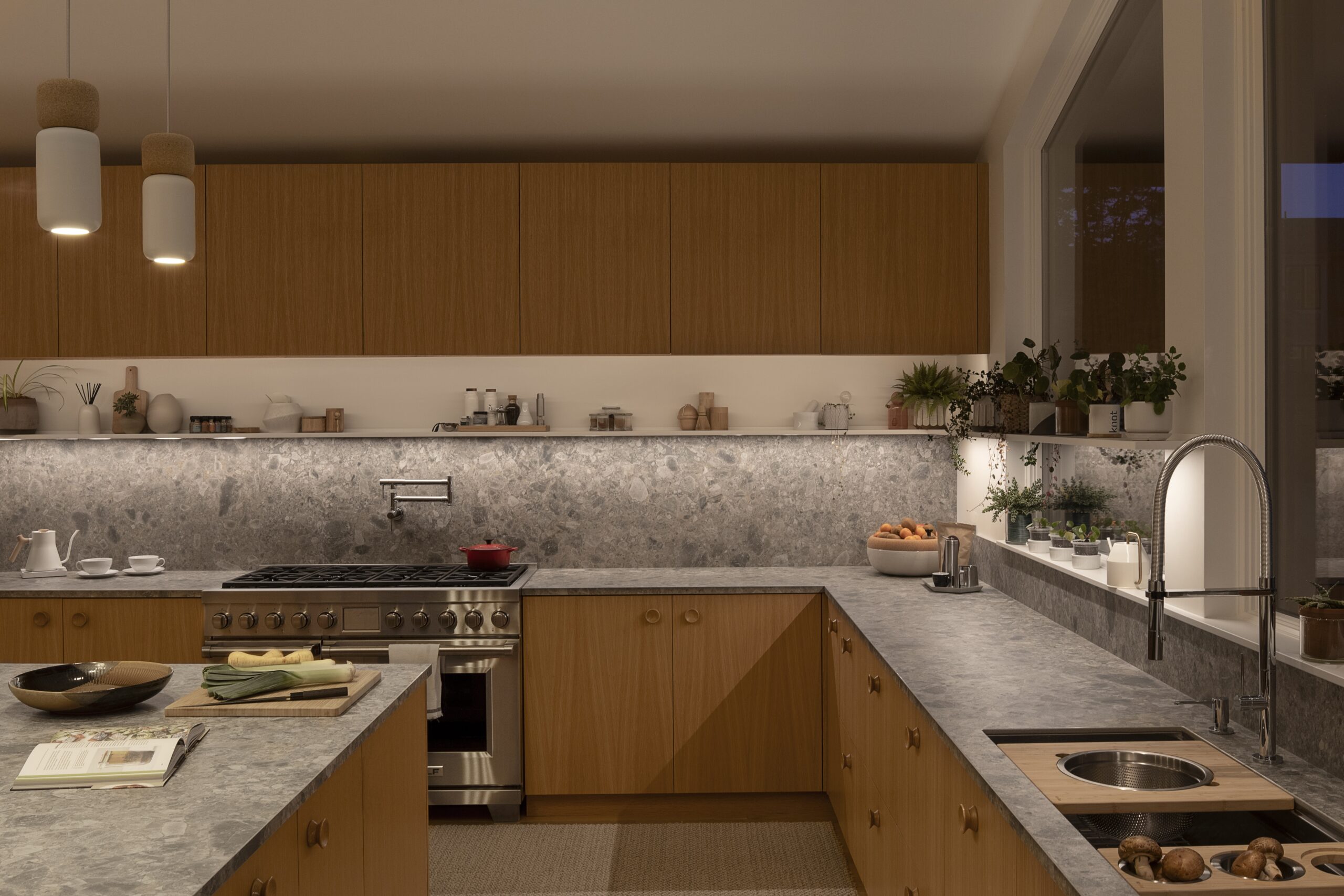
Under-cabinet lighting puts illumination directly onto countertops where food preparation happens. Integrated lighting can also improve visibility inside tall cabinets, display cabinetry, and other storage areas.
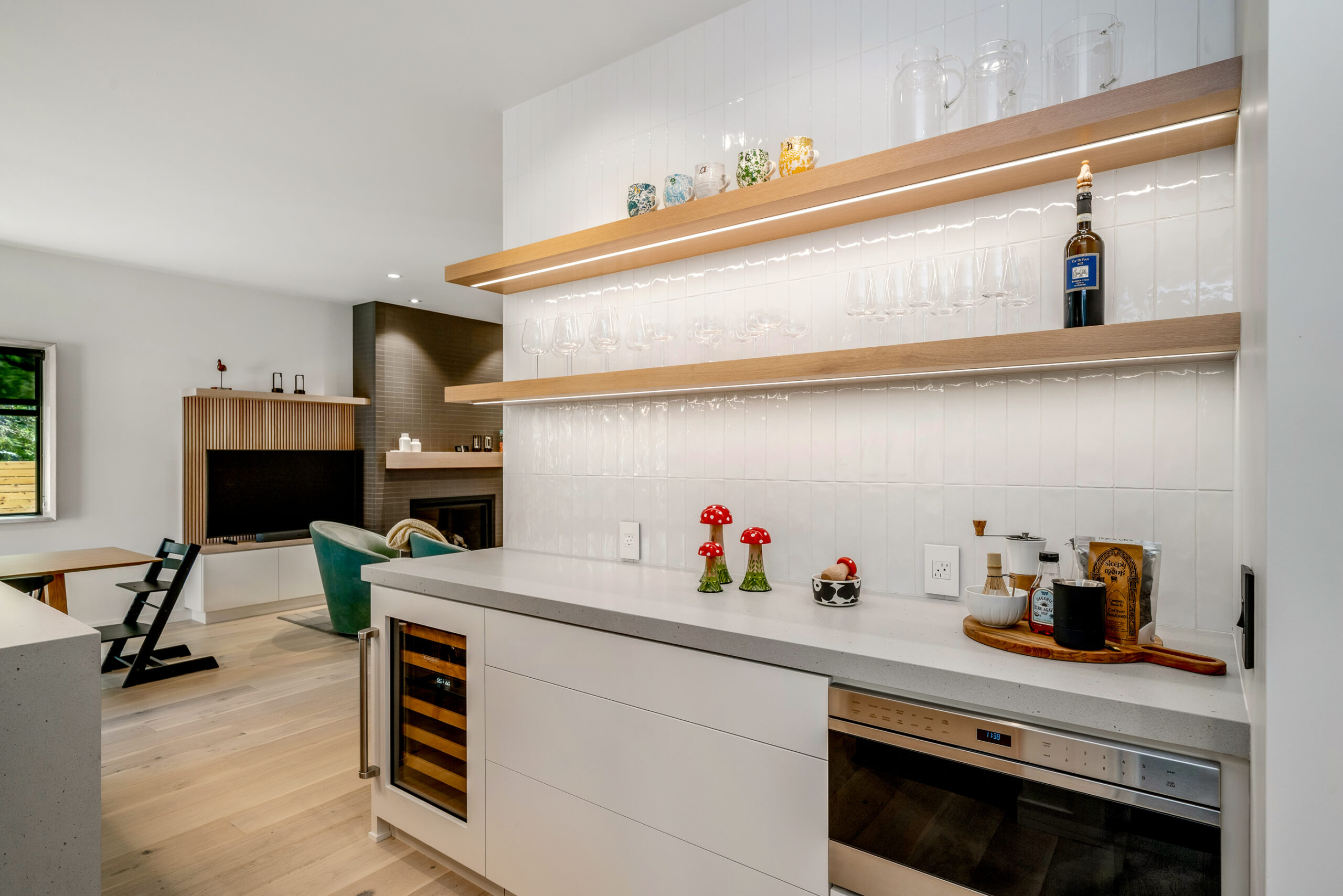
Lighting should be considered early because wiring, channels, transformers, and switches may need to be coordinated with the cabinetry. Adding integrated lighting cleanly after the cabinets have been manufactured and installed is considerably more difficult.
Aging in Place Kitchen Design Starts Before You Need It
According to the 2026 Houzz Kitchen Trends Study, 41% of renovating homeowners addressing special needs are planning specifically for future age-related needs. Among the most common features are pullout cabinetry, additional lighting, and wider drawer pulls.
The best moment to think about easier access isn’t after reaching a shelf or bending into a cabinet has already become difficult. It is when you are making decisions about the kitchen you expect to use for the next twenty years.
This doesn’t mean every countertop needs to be lowered or every cabinet needs specialized hardware. It means identifying the movements you perform repeatedly and considering where better cabinetry design can reduce unnecessary effort.
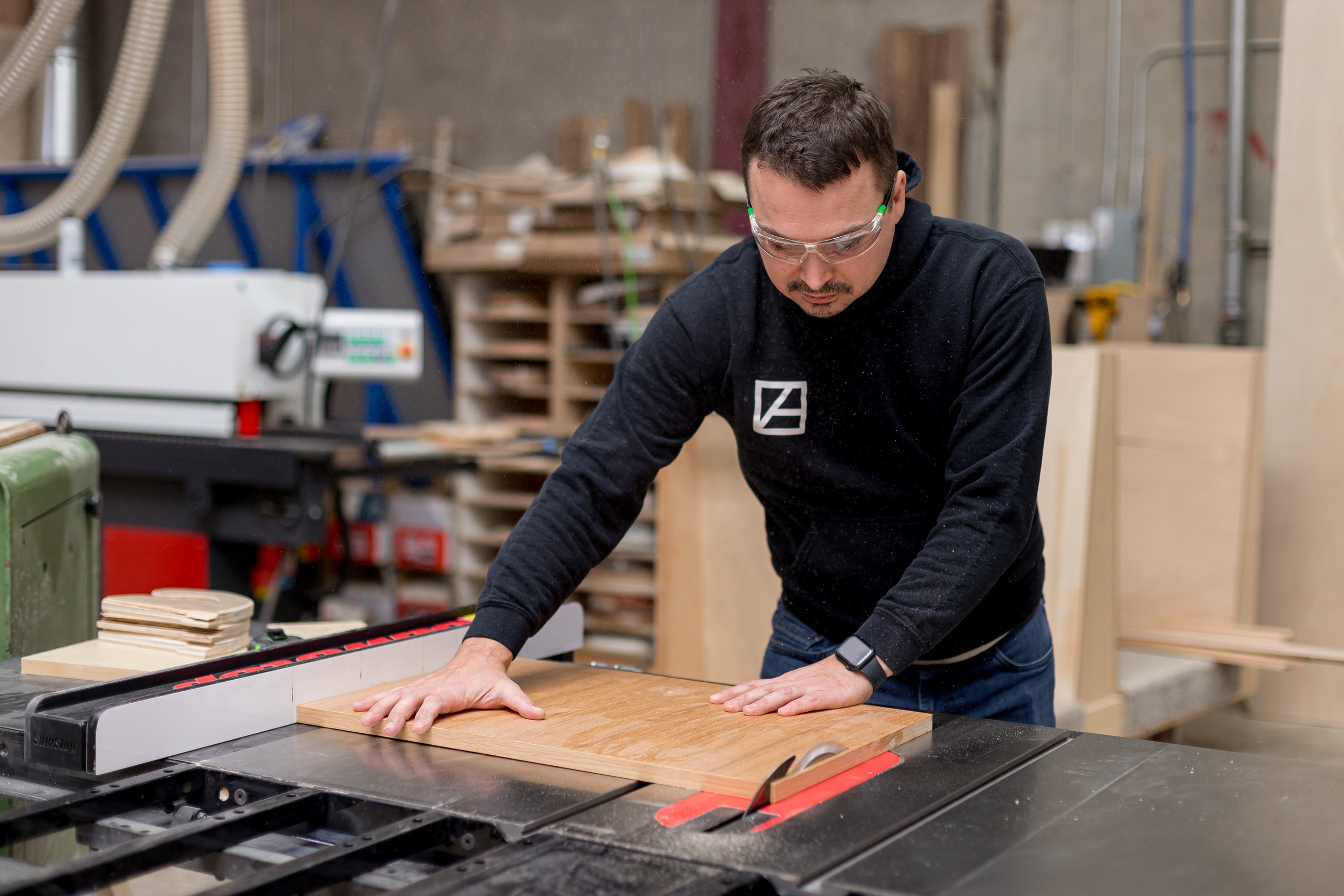
At ARKA Cabinets, we approach aging in place kitchen design individually. Drawer configurations, pullout storage, pantry systems, hardware, integrated lighting, and working heights can all make a kitchen easier to use, but that doesn’t mean every feature belongs in every kitchen. This is also part of what it means to work with a custom cabinet shop: the cabinetry and its internal systems can be developed around the needs of the individual homeowner.
The number of choices can quickly become overwhelming, especially when you’re trying to anticipate needs that may still be years away. Our role is to help you identify where thoughtful changes will make the greatest difference, set priorities based on how you actually use your kitchen, and invest in the features that will continue to serve you well over time.