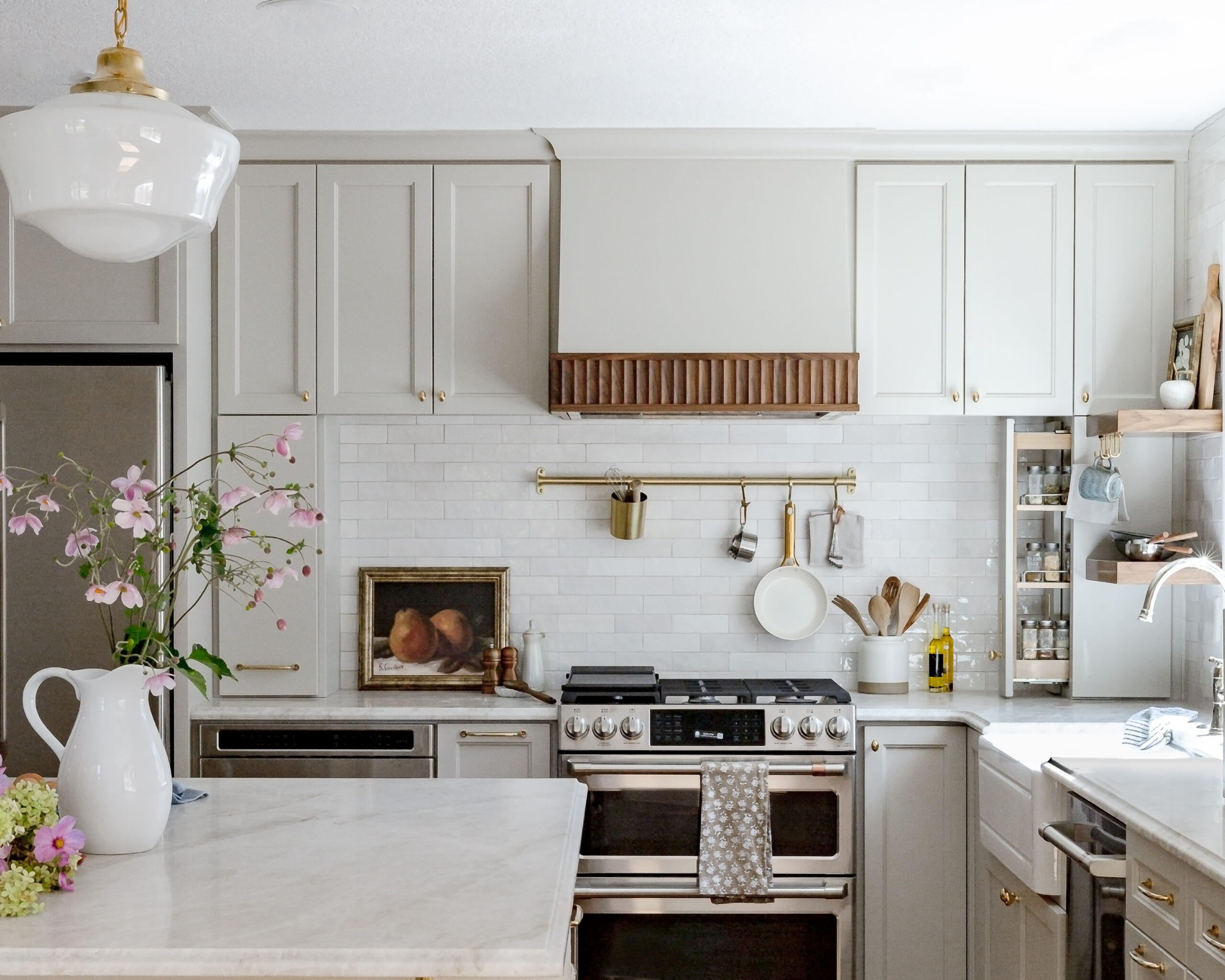
Homeowners have never had more kitchen inspiration. Pinterest, Instagram, AI renderings, design magazines, and renovation shows can give you hundreds of ideas before you ever meet with a designer.
So why does figuring out how to design a kitchen often feel harder than ever?
The problem is rarely a lack of ideas. It’s having too many of them.
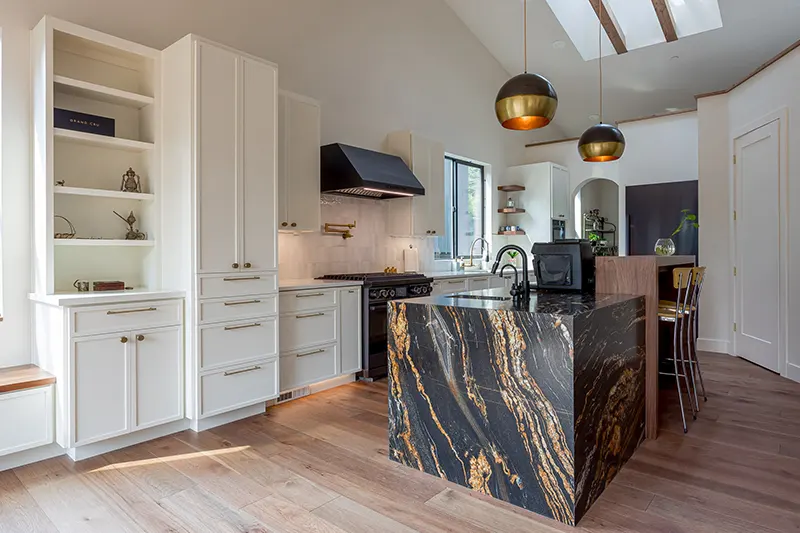
You may love the walnut cabinetry from one kitchen, the dramatic stone from another, and the open shelving from a third. Each element looks beautiful in its original setting, but combining favorite details from different projects doesn’t automatically create a cohesive kitchen.
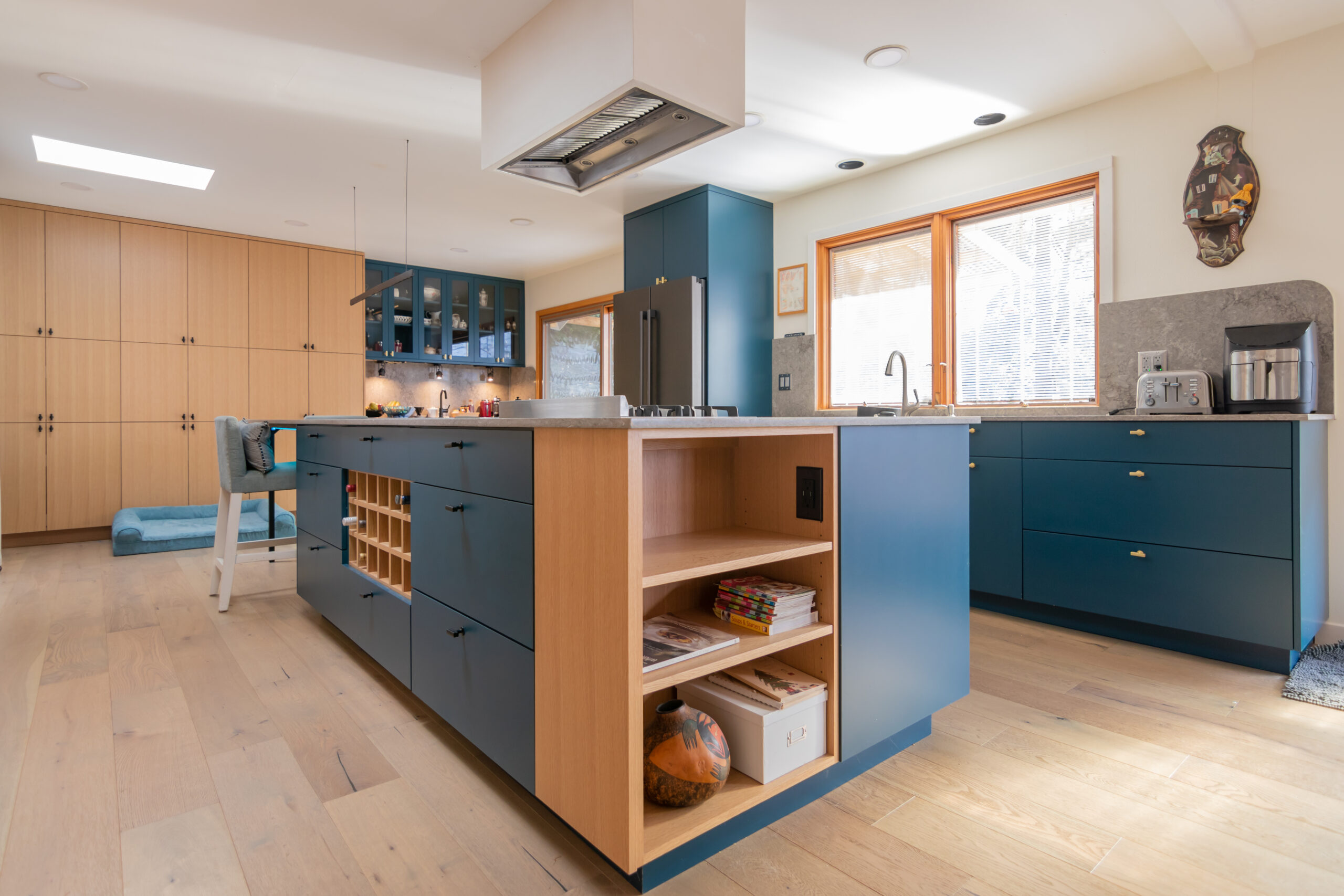
Before adding another image to your inspiration folder, here’s how to make those ideas more useful.
1. Save Inspiration, Then Get Specific
Keep saving kitchens that catch your attention, but take a moment to identify what you actually like about each one.
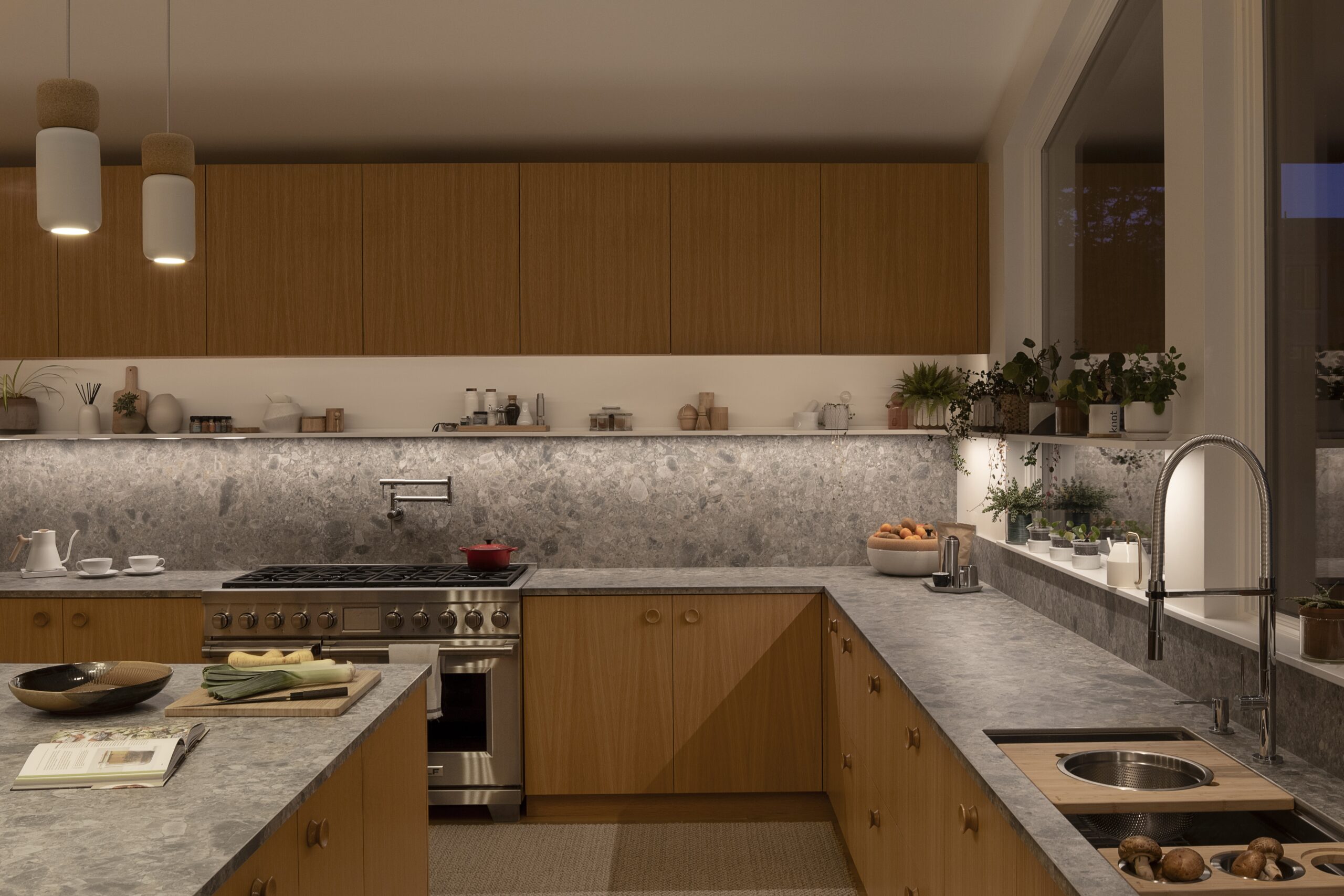
Sometimes it’s the entire room. More often, it’s a particular combination: warm wood against a light countertop, cabinetry that reaches the ceiling, a restrained color palette, or the way a range hood is integrated into the cabinetry.
For the images you keep coming back to, add a quick note about what stands out. Just as importantly, notice what you wouldn’t choose for your own kitchen.
After a while, your inspiration folder becomes more than a collection of beautiful rooms. It starts revealing the materials, proportions, details, and overall direction you consistently prefer.
2. Find the Common Thread
Once you have a substantial collection, stop searching for a moment and look at it as a whole.
What keeps appearing?
You may notice natural woods in nearly every image, very little upper cabinetry, simple door profiles, warm metals, or restrained use of color. These repetitions are often more revealing than the style labels attached to the kitchens.
Create a short list of the three to five characteristics that appear most consistently. This becomes your filter when new ideas inevitably appear.
3. Separate What You Love From What You Need
Your inspiration tells you what attracts you visually. Your kitchen also has a job to do.
Make a separate list of requirements before getting too attached to individual design features.
How much pantry storage do you need? Which appliances stay on the counter? Do you need seating at the island? Are you constantly looking for more drawers? Where do recycling, trays, cutting boards, and small appliances need to go?
Then compare that list with your inspiration.
Open shelves may look beautiful, but upper cabinets may be more valuable if storage is limited. A large appliance garage may be worthwhile if several appliances currently live on the countertop. A huge island may be less important than maintaining comfortable circulation around it.
Knowing how to design a kitchen means evaluating what you love alongside what the room needs to accomplish.
4. Test Every Idea Against Your Actual Space
A beautiful idea can still be the wrong solution for your home.
Before committing to a feature, consider the dimensions and architecture of the room. Ceiling height, windows, doorways, appliance sizes, plumbing locations, natural light, and required clearances all affect what will work.
Scale matters too. Floor-to-ceiling cabinetry that looks balanced in a large kitchen may overwhelm a smaller room. A dramatic range hood needs enough surrounding space to have the effect you admired in the original image.
Instead of asking, “Do I like this?” ask, “What would this look like and how would it function here?”
That question eliminates a surprising number of ideas.
5. Decide What Doesn’t Belong
One of the hardest parts of kitchen design is knowing when to stop.
Create a “not for this kitchen” list alongside your must-haves. It might include open shelving, multiple wood species, glass doors, a waterfall countertop, or any feature you like but have decided doesn’t support the direction of this particular project.
This doesn’t mean those choices are bad. It simply means they don’t all need to coexist in one room.
Editing gives the strongest ideas room to matter.
Inspiration Should Give You Direction
When you’re learning how to design a kitchen, don’t measure progress by how many images you’ve saved. Measure it by how clearly you can explain what you want.
You should be able to identify the features you consistently prefer, the functional requirements your kitchen needs to solve, and the ideas you’ve deliberately decided to leave out.
Then your inspiration becomes useful.
Your Pinterest board should help you communicate what you love. It doesn’t have to design the kitchen for you.