A kitchen remodel can feel overwhelming.
Cabinets, flooring, countertops, backsplash, plumbing fixtures, lighting, hardware, paint colors—the number of decisions can quickly become exhausting. Many homeowners begin collecting inspiration images and selecting finishes without a clear roadmap, only to discover later that some choices have made other decisions more difficult.
Professional interior designers approach the process differently. Rather than choosing materials at random, they follow a sequence that helps every element work together.
Here is the order we recommend when planning a kitchen remodel.

1. Start with Flooring
Flooring is one of the largest visual surfaces in your home and serves as the foundation for every other design decision.
One of the most common mistakes we see is selecting flooring with excessive color variation. While dramatic floors can look beautiful in a showroom, they often compete with cabinetry, countertops, and other design elements once installed.
Whenever possible, view flooring samples in your home before making a final decision. Natural light can dramatically change how a material appears throughout the day. A floor that looks warm and inviting in a showroom may read completely differently in your space.
2. Choose Your Cabinetry
Once the flooring is selected, move directly to cabinetry.
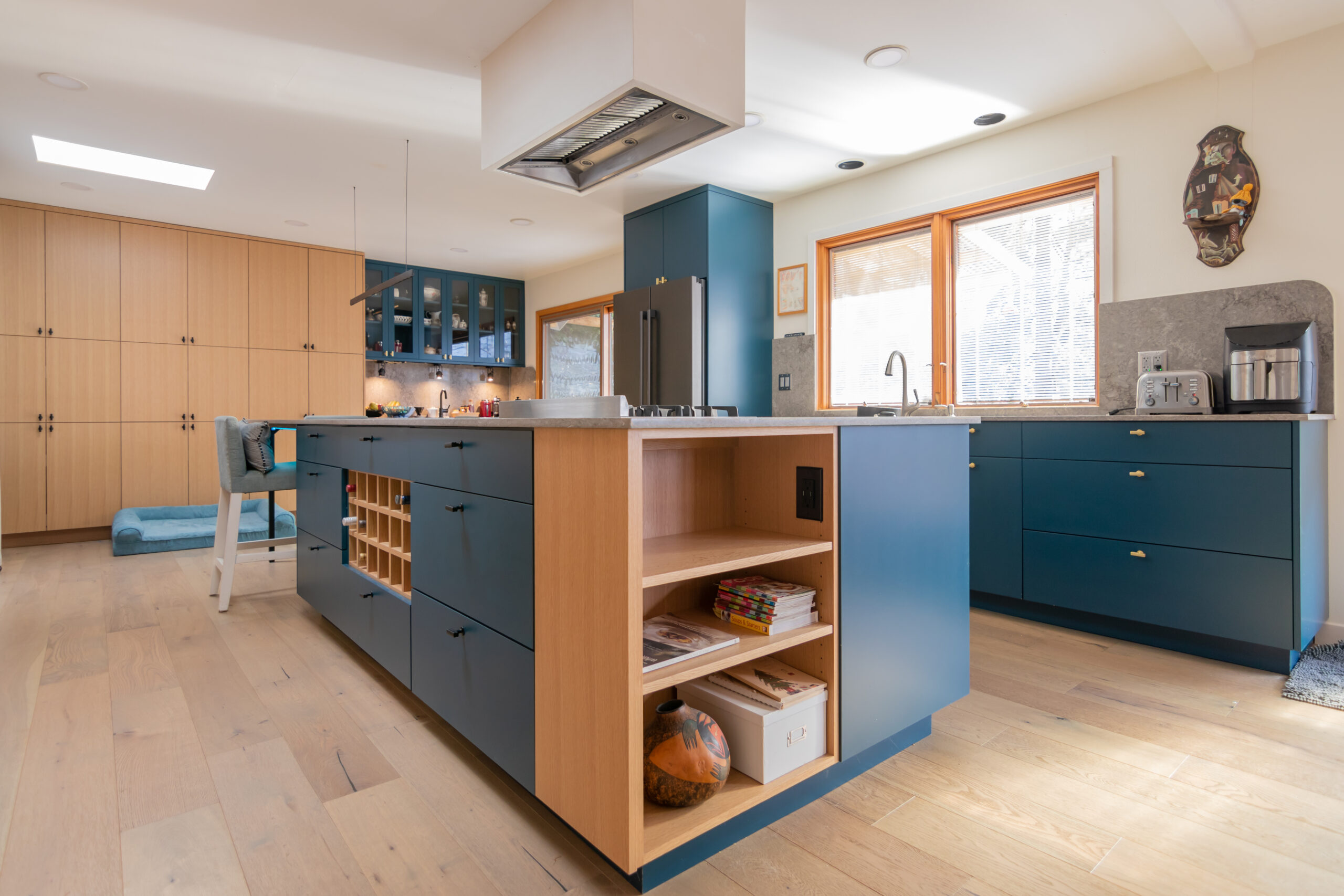
Cabinets occupy a significant portion of the visual space in a kitchen. They also determine how the room functions every day. Unlike decorative elements that can be updated over time, cabinetry is a long-term investment that affects storage, workflow, and organization.
This is where many homeowners make a costly mistake. After allocating budget to other finishes, they discover there is less available for cabinetry than they originally anticipated. The result is often settling for a product that doesn’t fully meet their design goals or storage needs.
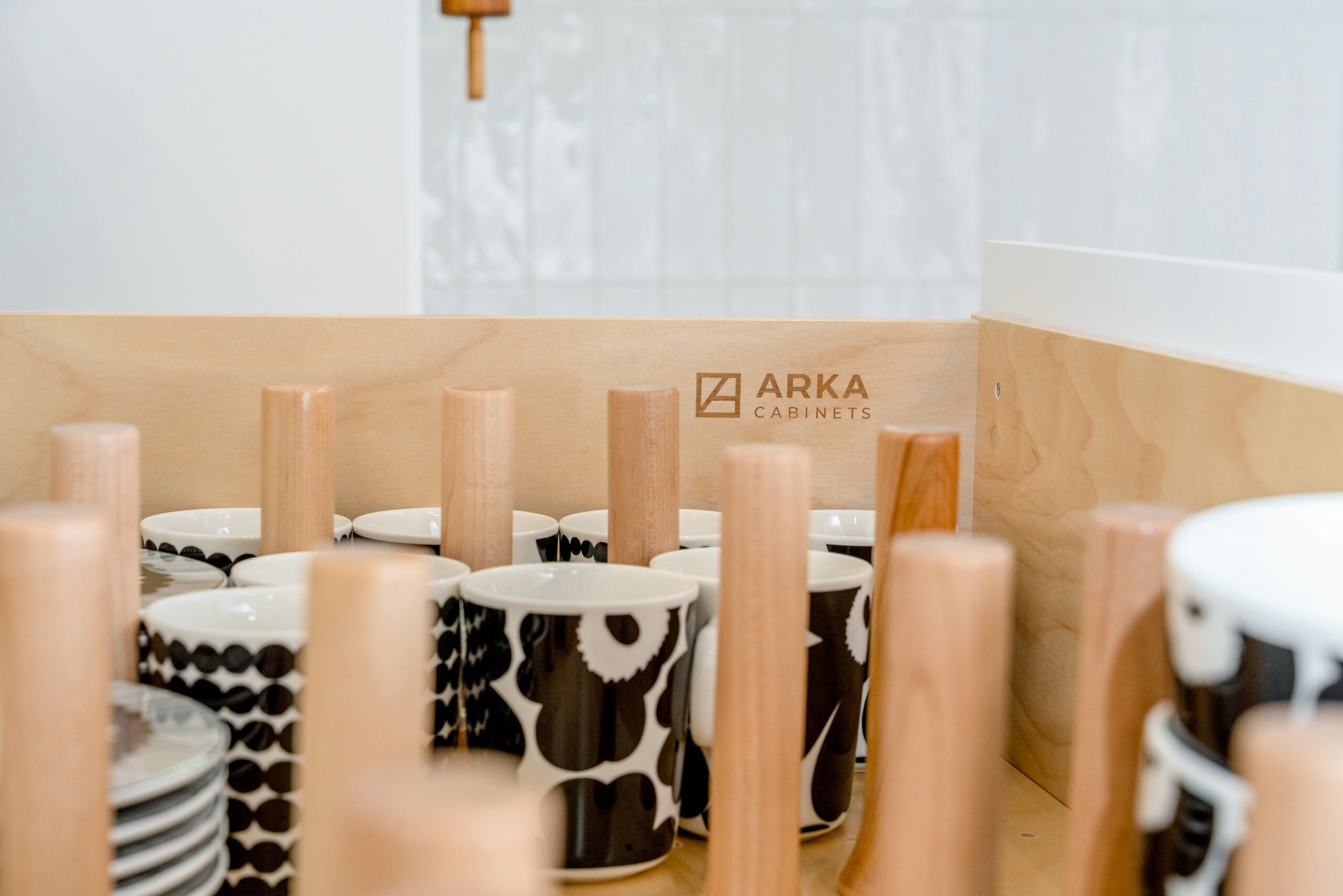
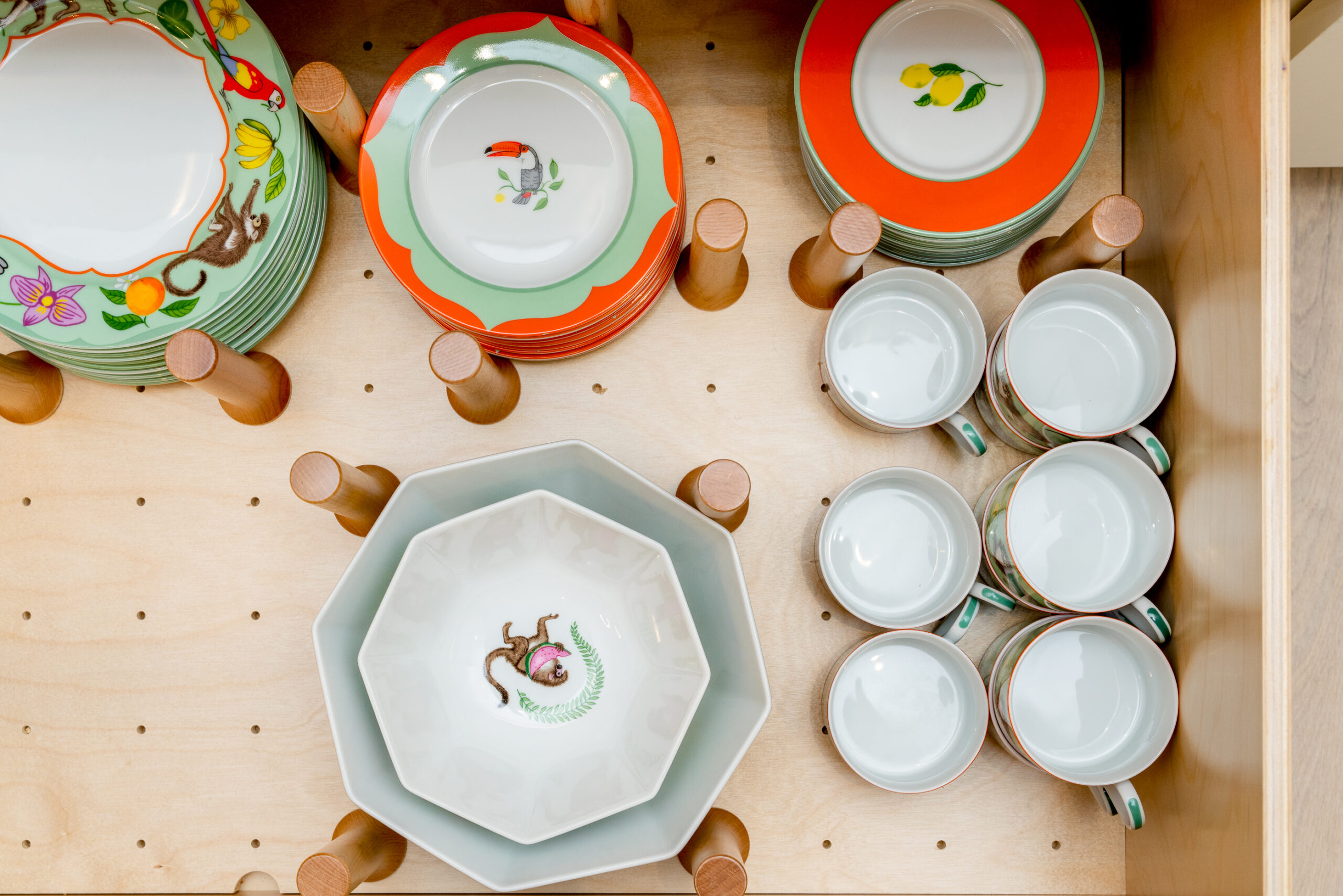
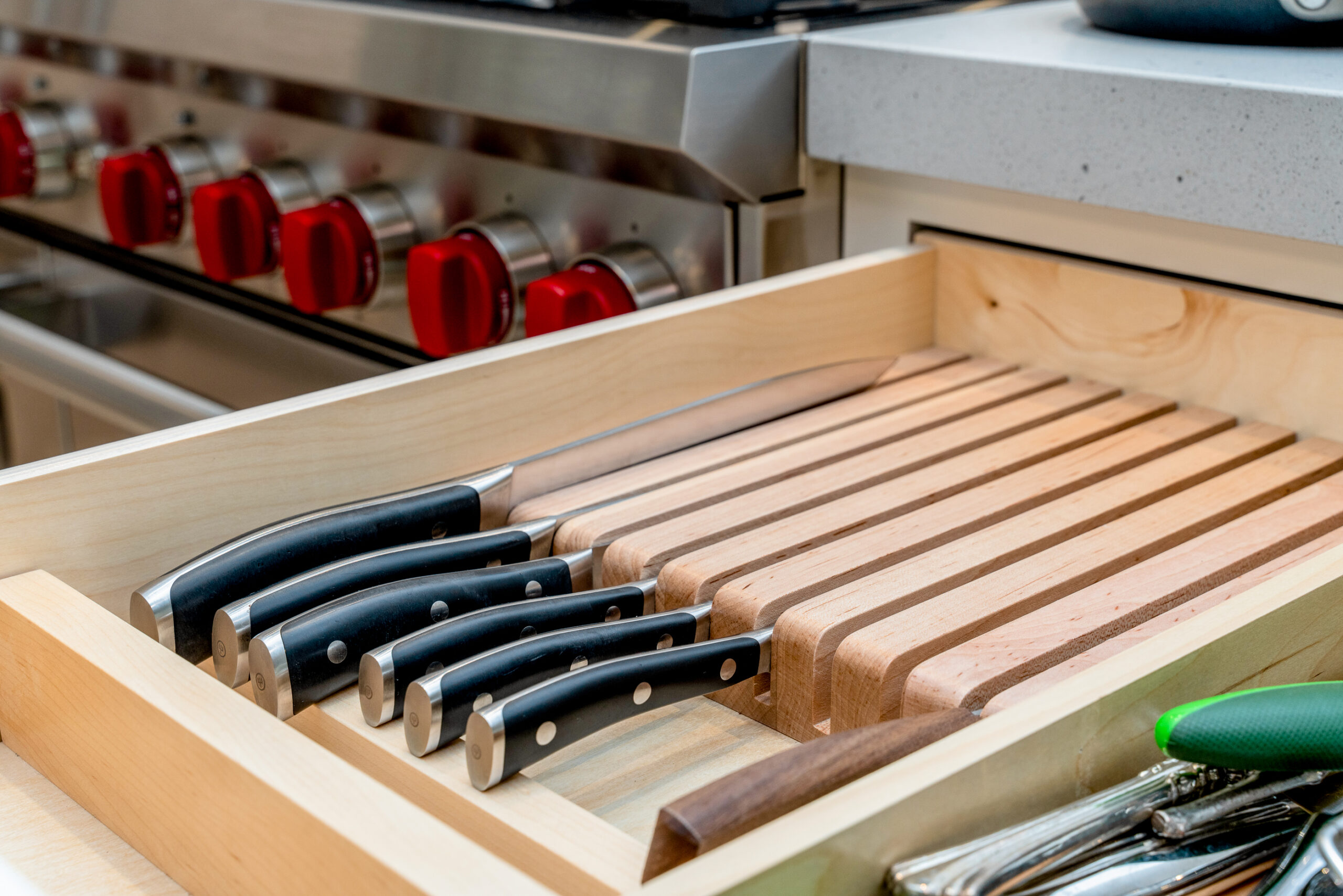
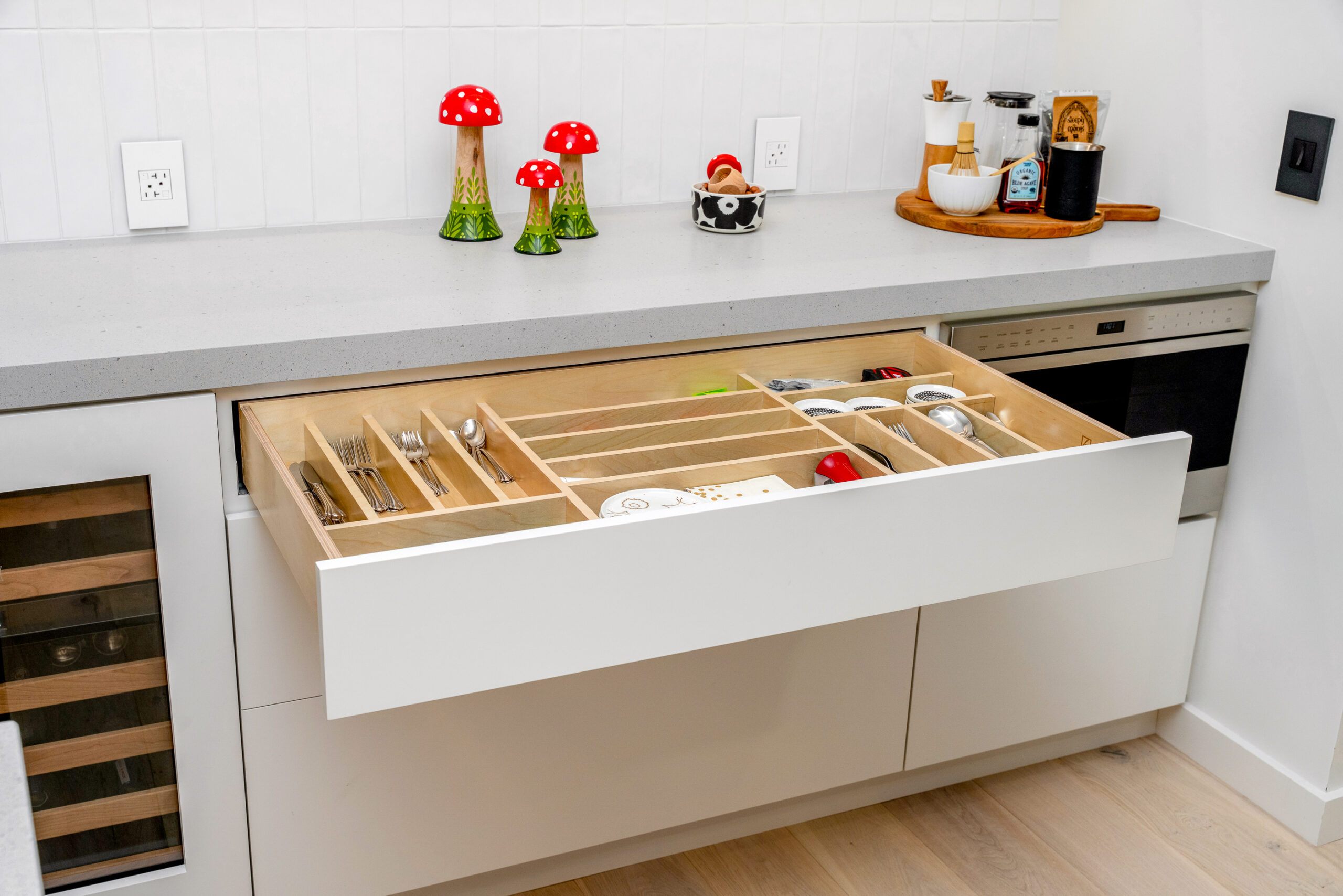
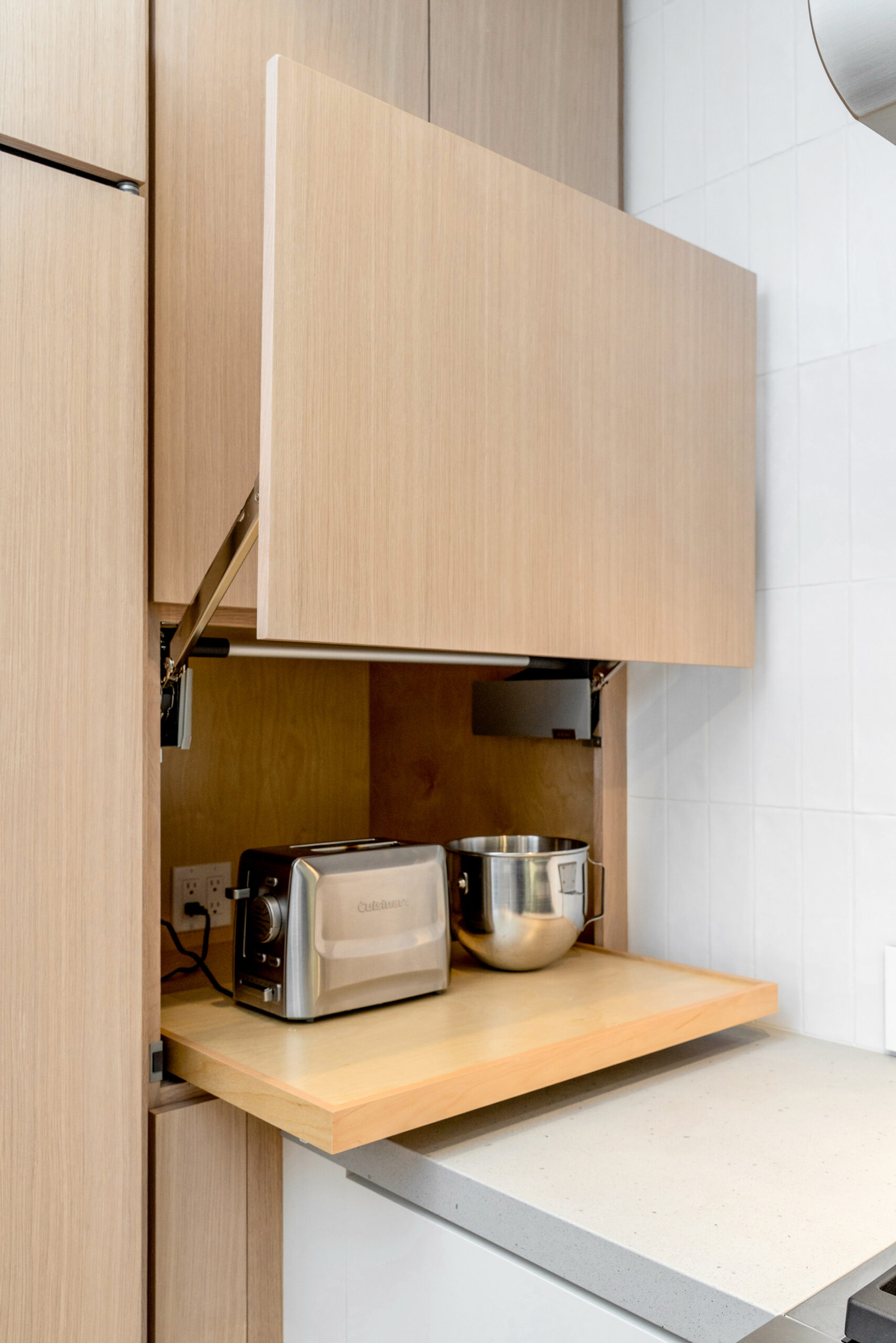
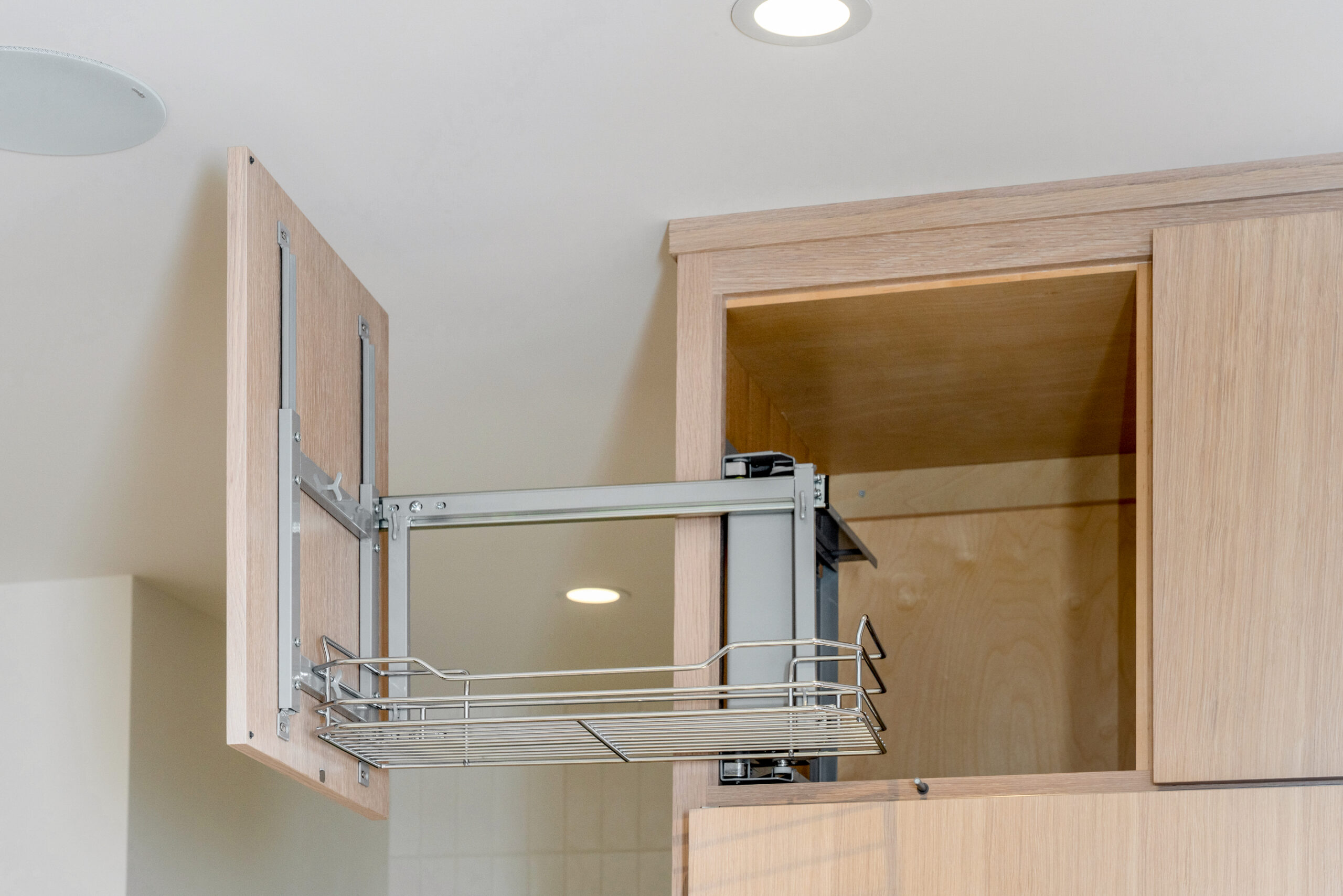
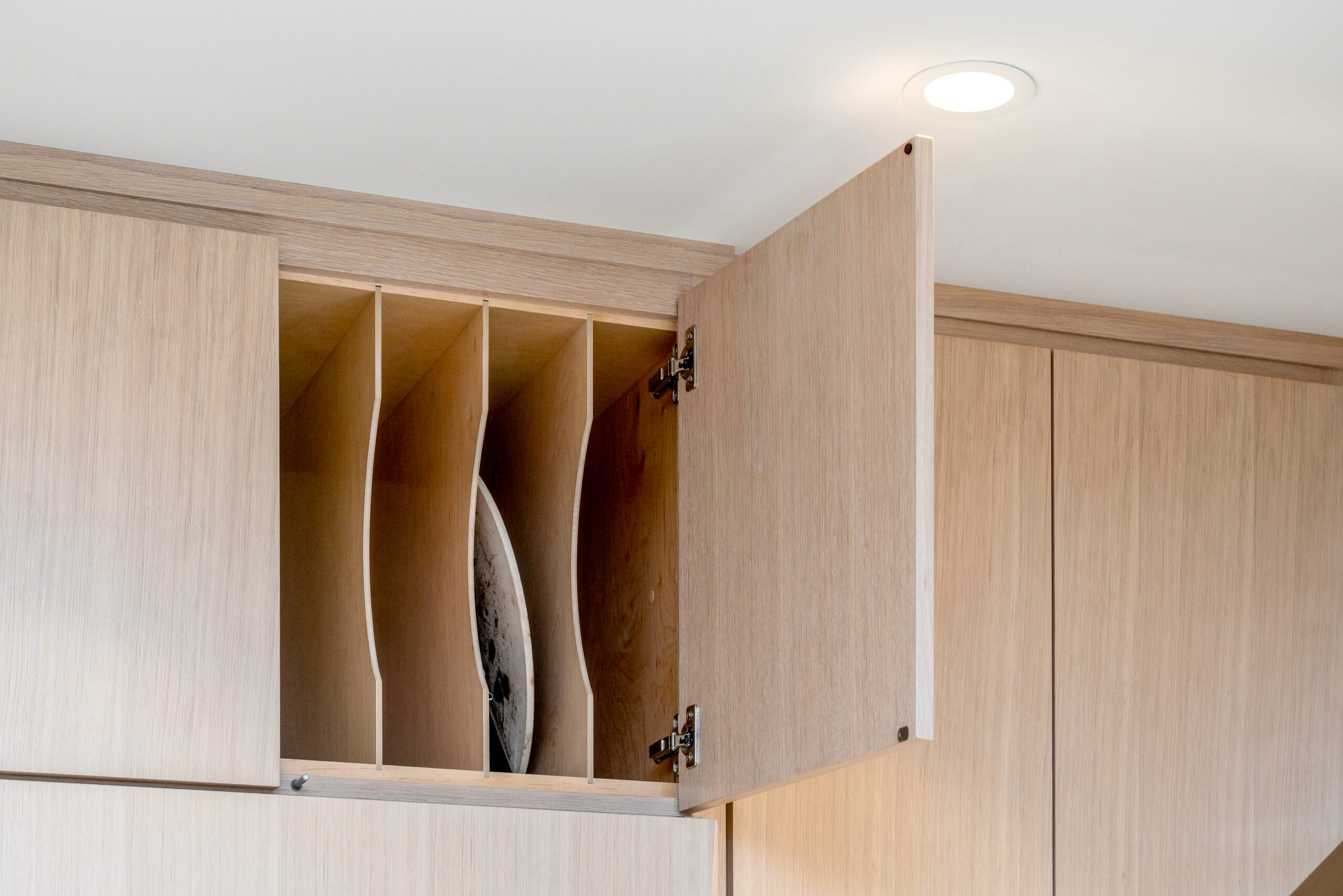
Think beyond door styles and colors. Consider drawer organization, pull-outs, appliance storage, waste systems, and the countless details that improve daily life. Well-designed cabinetry continues to add value long after the excitement of a new backsplash has faded.
3. Select Countertops
With flooring and cabinetry established, selecting countertops becomes much easier.
Rather than trying to coordinate three or four major materials at once, you are now choosing a countertop that complements two existing decisions. This approach creates a more cohesive design and reduces the risk of competing materials.
4. Choose Plumbing Fixtures
Think of plumbing fixtures as the jewelry of the kitchen.
This is the stage where you’ll decide between options such as farmhouse, workstation, or undermount sinks. Faucet style and finish should coordinate with your overall design direction and later tie into cabinet hardware selections.
Quality matters here. These are some of the most frequently used components in the entire kitchen.
5. Add the Backsplash
Many homeowners treat the backsplash as the star of the show.
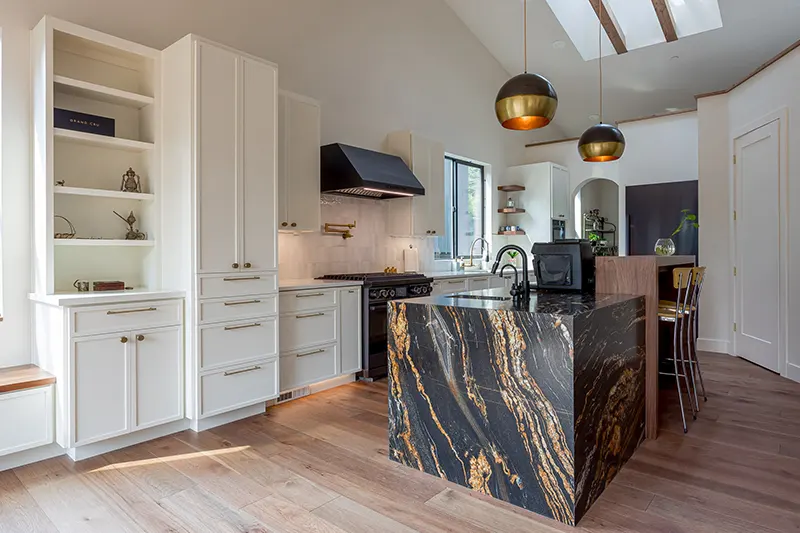
In reality, it works best when it supports the overall design rather than competing with it. If your countertop has strong movement or dramatic veining, a simpler backsplash often creates a more balanced result. Choose one focal point and allow it to shine.
6. Finish with Lighting and Hardware
Lighting and hardware are the final layer that brings the entire design together.
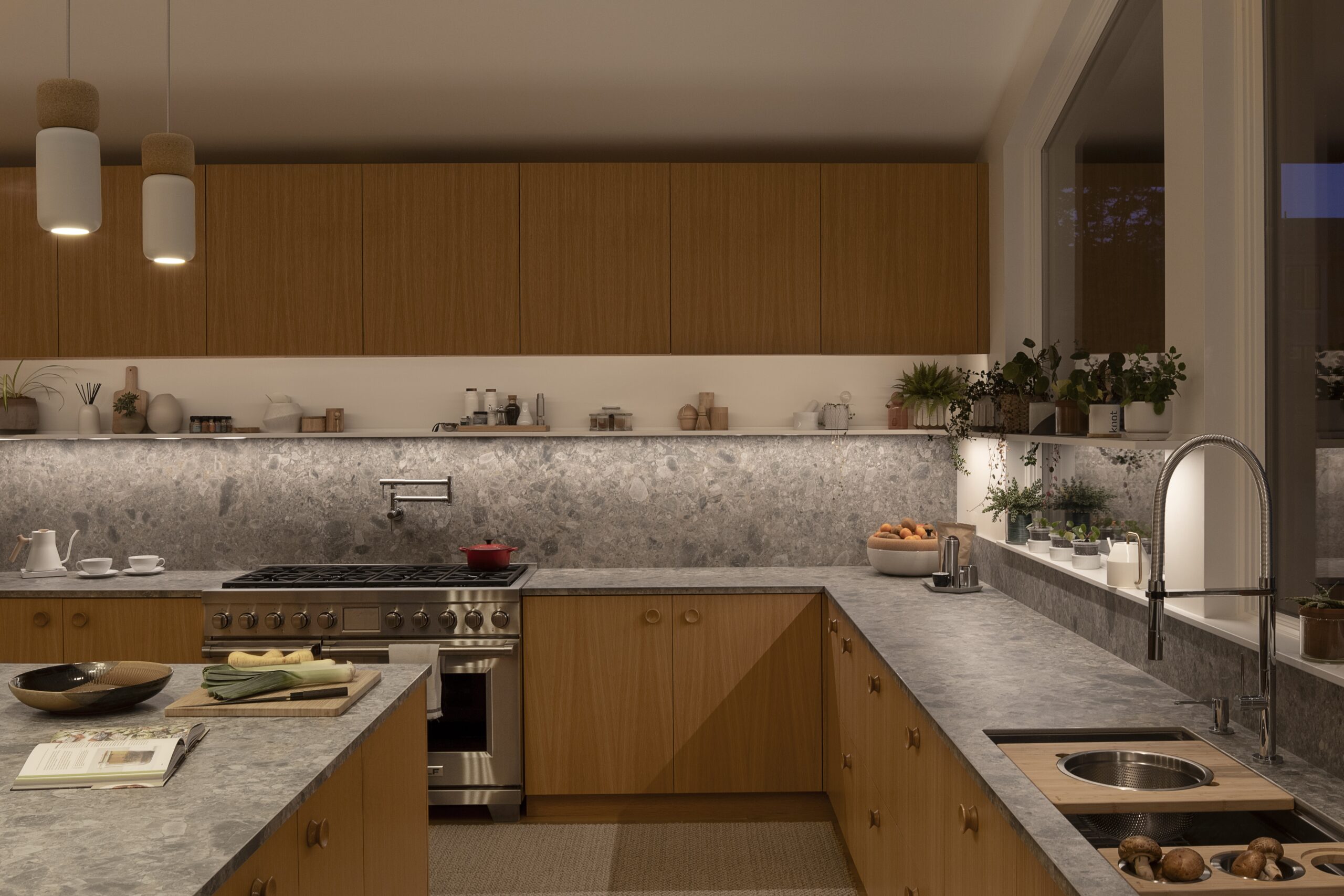
The right scale, proportions, and finishes create cohesion throughout the space. Cabinet hardware, pendants, sconces, and under-cabinet lighting may seem like small details, but they often have an outsized impact on the finished result.
A successful kitchen is rarely the product of individual selections. It is the result of making those selections in the right order. By establishing flooring and cabinetry first, every decision that follows becomes clearer, more intentional, and ultimately more successful.
Planning a remodel? Before choosing countertops, tile, or decorative finishes, spend time defining your cabinetry needs, storage priorities, and budget. The decisions you make at this stage will influence nearly every element that follows.
Curious how much of your remodeling budget should be allocated to cabinetry? Read our guide on the cost of custom cabinets in Oregon and the factors that influence pricing.