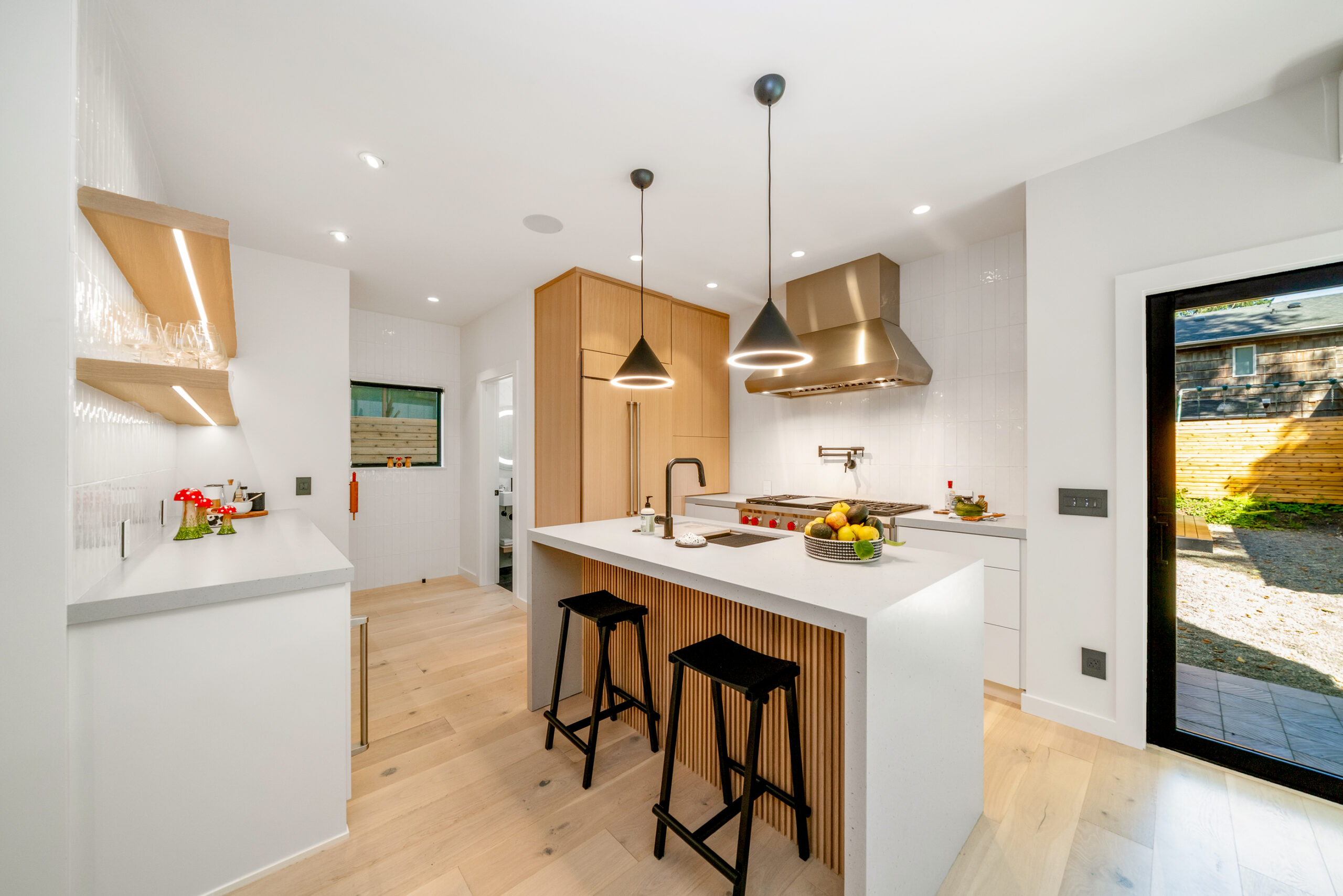
Alder is often misunderstood in residential design. It is sometimes labeled as a “budget” wood or treated as a secondary option to oak or walnut. In practice, many designers choose alder deliberately, not because of cost, but because of how it behaves visually and functionally within a well-designed interior.
When used correctly, alder wood cabinets deliver a calm, refined look that works across many interior styles.
Alder Is a Quiet Wood
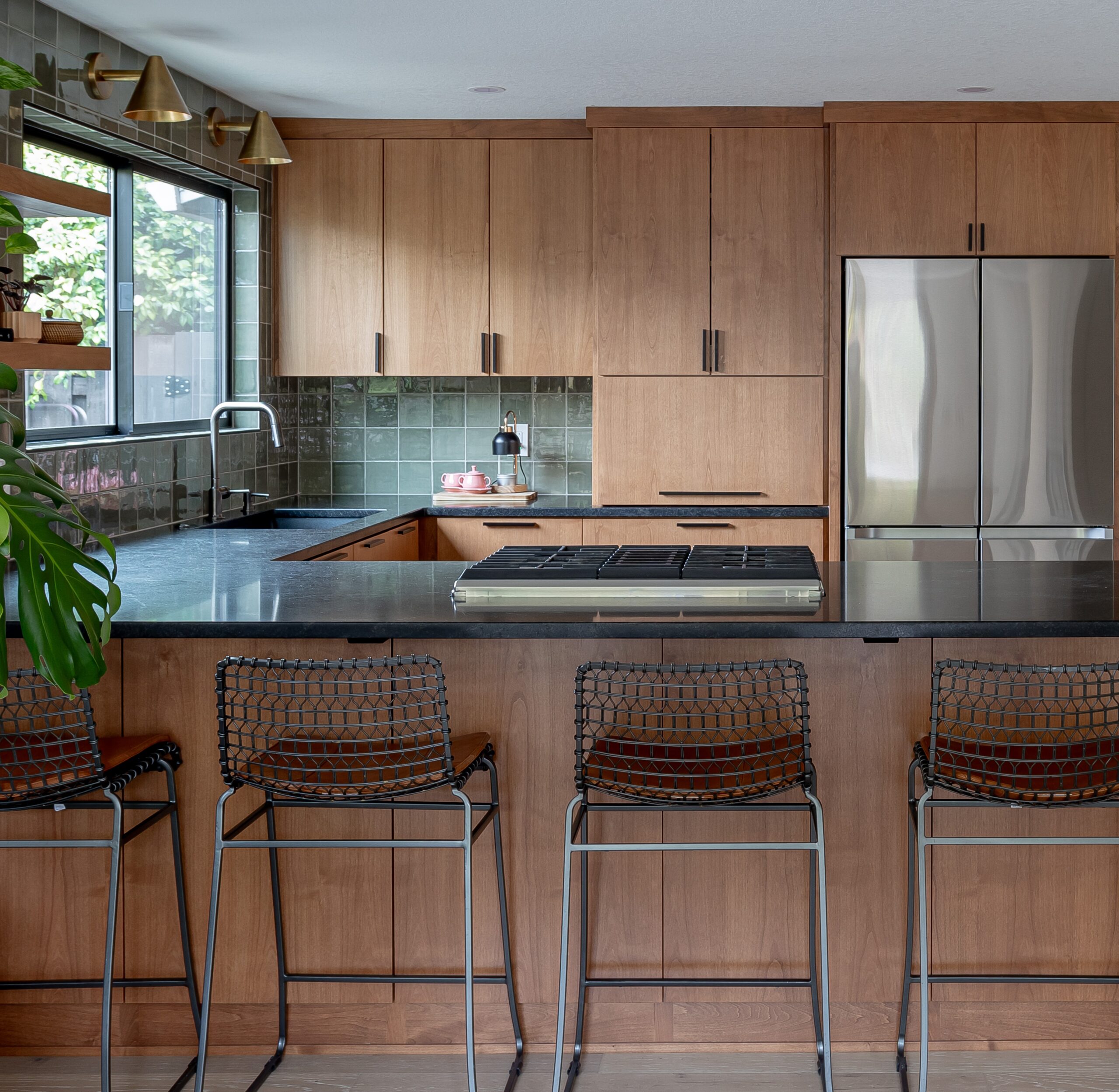
Alder has a soft, even grain with minimal contrast and gentle movement. From a design perspective, this matters. Strong-grained woods like oak or walnut immediately pull visual focus. That can be desirable in certain projects, but it can also overpower a space.
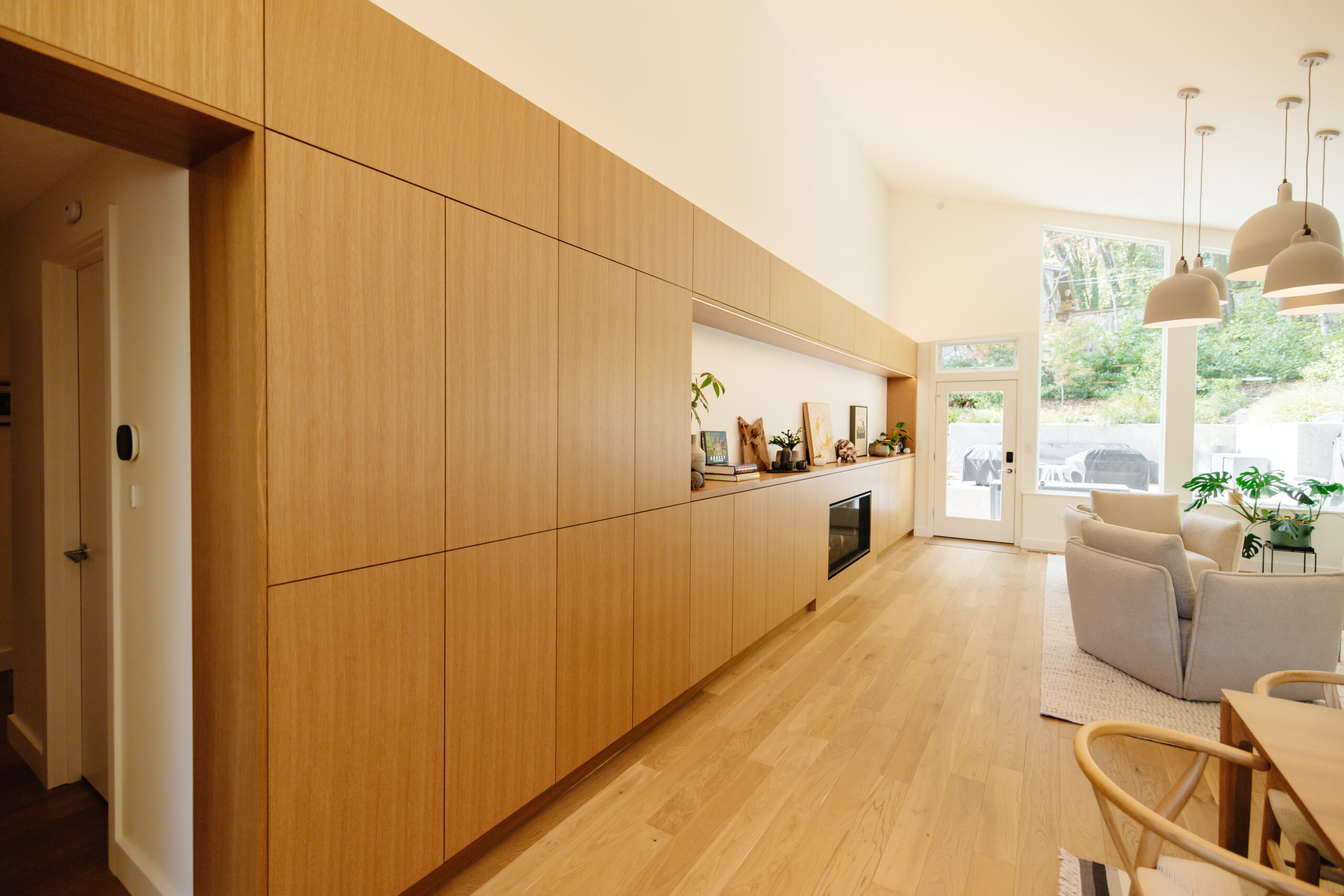
Alder does the opposite. It supports the room instead of dominating it. The cabinetry reads as integrated rather than attention-seeking. Designers often choose alder when they want the architecture, layout, lighting, or proportions of the space to lead, and the cabinetry to reinforce that structure rather than compete with it.
This quality makes alder especially effective in kitchens and built-ins where balance, alignment, and flow are more important than visual drama.
It Reads Warm Without Looking Rustic or Dated
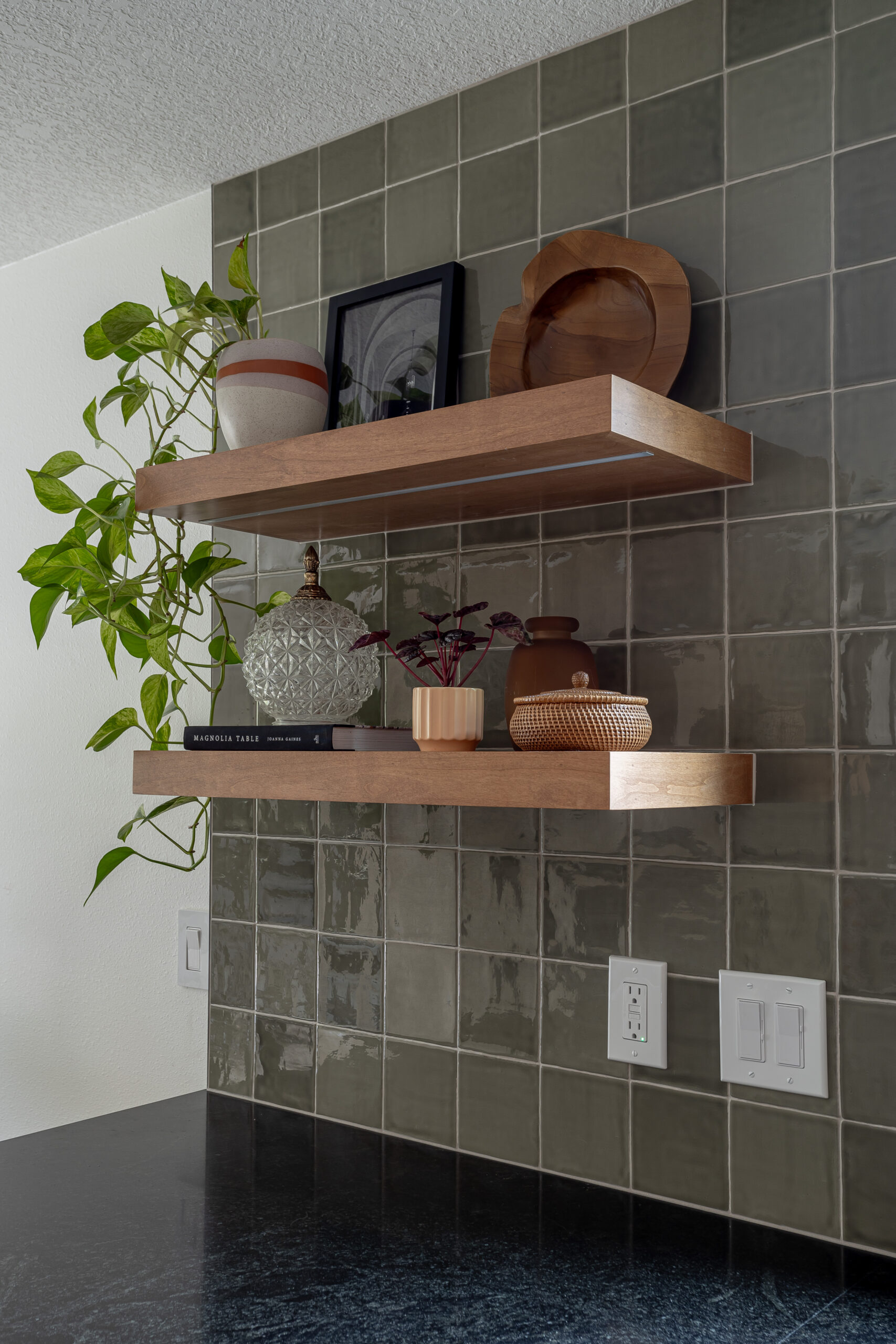
One of alder’s biggest advantages is its natural warmth. Unlike maple, which can feel cool or flat, or red oak, which can lean dated if not handled carefully, alder sits in a comfortable middle ground. It reads organic and inviting without pushing a space toward rustic, farmhouse, or “cabin” aesthetics.
When designed and finished correctly, alder feels current and refined. It works well in modern, transitional, and classic interiors because it does not lock the design into a specific trend. That neutrality gives designers flexibility, and gives homeowners longevity.
Alder Is a Stain Chameleon
Alder’s ability to take stain well is where it truly excels. With proper preparation and finishing, alder absorbs stain evenly and predictably, allowing designers to achieve very different outcomes using the same wood species.

Light stains produce a soft, Scandinavian-inspired look. Mid-tone stains result in a classic, architectural appearance that works across many design styles. Dark stains create depth and drama, often surprising clients who do not expect alder to read rich or moody.
This range allows designers to tailor the final look to the project rather than being constrained by the wood itself. Same material, entirely different aesthetic.
It Rewards Good Finishing and Exposes Bad Finishing
Alder is an honest material. When finishing is done correctly: proper sanding, conditioning, staining, and sealing — the result is smooth, consistent, and refined. When finishing is rushed or poorly executed, alder shows it immediately.
This is precisely why alder is frequently used by shops that are confident in their finishing process. It does not hide mistakes, but it rewards craftsmanship. For designers and manufacturers who take pride in execution, alder is a reliable and revealing choice.
Affordable Without Looking Like a Compromise
Alder allows for smarter budget allocation. Because it is more approachable in cost than some premium hardwoods, designers and homeowners can invest in other areas: high-quality hardware, better interior organization or appliances. By no means alder looks like a downgrade but as a well-reasoned design decision.
Is Alder the Right Choice for Your Project?
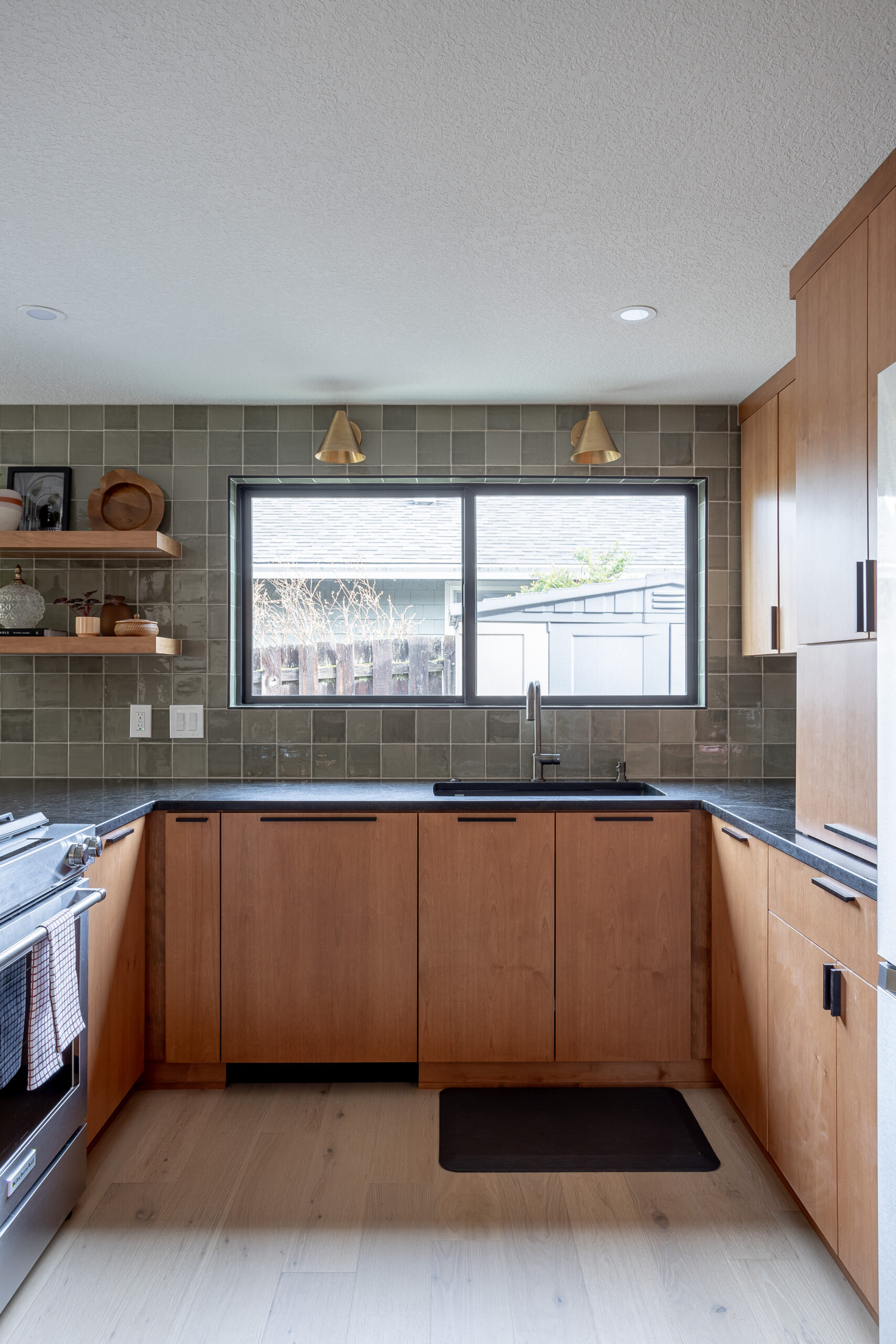
So, is alder a good option for your project? It often is. At ARKA, we help clients determine whether alder is the right fit based on the overall design, desired finish, and how the space will be used day to day. When paired with experienced design guidance and ARKA’s controlled finishing process, alder delivers a refined and perfect result. It comes down to selecting the wood that best supports your design, your lifestyle, and how you want the space to feel.